
DiPS is the first professional society for digital preclinical science. We are a member-based, multi-stakeholder, cross-Atlantic body. We work modality-neutrally — across animal-based, non-animal, and in-silico evidence — and we convene scientists, regulators, sponsors, CROs, MPS and organoid researchers, computational toxicologists, and technology providers around one question: does the evidence predict the clinic? We federate. We codify. We convene. Where others lead, we reinforce. Where the field lacks a bridge, we build it.
Seven core values. Seven non-negotiables.
DiPS does not build hammers and then look for nails. We define the biological, translational, animal welfare, or regulatory decision first; then we ask which digital approach, if any, improves it.
2. We treat prior experience as evidence.The field should learn systematically from previous studies, failed translation, negative results, weak endpoints, unexpected toxicity, welfare observations, and historical datasets. Prior experience is evidence, not noise. Learning from what already happened is as important as generating the next dataset.
3. We are application-first, not technology-first.No platform gets privileged because it is new, digital, AI-enabled, animal-based, non-animal, or commercially compelling. Fit-for-purpose evidence wins.
4. We lead the connective layer.Where others own a domain, we connect and strengthen it. Where the field lacks a bridge across measures, metadata, evidence requirements, regulation, modality choice (animal-based, non-animal, in-silico), animal welfare, and clinical translation, DiPS leads.
5. We build regulator-grade new ways of working from day one.FDA, EMA, ICH, OECD, PMDA, and other public authorities are engaged early and appropriately. Regulatory expectations are designed with, not worked around. DiPS does not imply agency endorsement; it builds evidence packages that are transparent, auditable, context-of-use specific, and regulator-proximate. In this charter, “regulator-grade” means transparent, auditable, context-of-use specific, lifecycle-managed, and supported by fit-for-purpose evidence. It does not mean pre-approved, endorsed, or accepted by any agency.
6. We disrupt when disruption benefits the patient, the science, or the decision.We retire methods when evidence demands it. We dissent when current practice is comfortable but wrong. We name what is broken when naming it helps the field build something better. We hold ourselves to refinement, reduction, and replacement wherever an animal-based modality is involved, and to context-of-use validation wherever a non-animal modality is. The duty to demonstrate fit-for-purpose evidence cuts both ways.
7. We are one table.Pharma, regulators, CROs, academia, the 3Rs and NAMs communities, microphysiological systems and organ-on-chip researchers, computational toxicologists, digital technology providers, data standards organizations, and adjacent professional societies all belong at the table. No single voice carries structural advantage. Biases are mitigated and final products strengthened through multi-disciplinary collaboration.
Every DiPS project begins with a defined decision, context of use, and evidence gap. Technology selection comes later. A project that cannot name the decision it improves does not proceed.
2. Precompetitive, by default.Working groups are structured so sponsors co-fund shared challenges upstream of product competition. Progress at this scale is precompetitive, or it does not scale.
In year one, this means a low-risk founding partner model before full working-group sponsorship.
3. Open-access, by default.Every DiPS consensus output - handbook, template, standard, benchmark, or concept paper - is free to read, cite, and adopt. Members fund the work; the field uses it.
4. Regulator-proximate, by design.Regulators participate free of charge where agency rules permit. Standards and templates are drafted with regulatory input early, not presented after the fact.
Regulatory participation is advisory and non-commercial. DiPS does not imply endorsement by any agency. The goal is regulator-proximate work, not regulatory theater.
5. Firewalled, always.Sponsors may fund working groups. Sponsor-employed scientists may contribute expertise. No sponsor controls the output.
Consensus methods, authorship rules, conflict management, and public release terms are defined before work begins.
6. Global, member-based, cross-Atlantic by design.Parallel US and EU legal entities ensure no single jurisdiction or regulator owns disproportionate influence.
7. Living standards, not frozen standards.Digital methods evolve faster than drug development timelines. DiPS standards are versioned, updateable, and lifecycle-managed.
The goal is not to freeze a device, algorithm, or platform. The goal is to preserve evidentiary meaning, equivalence, traceability, and context of use as technology changes.
Our Founding Board

Stefano Gaburro, PhD
Co-Chair, Industry & Governance (EU)
Europe-based industry scientist and translational digital biology leader, spanning neuropharmacology, preclinical neuroscience, laboratory animal welfare, 24/7 home-cage monitoring, digital biomarkers, minimal metadata standards (Pistoia MNMS Working Group), the integration of animal-based and non-animal modalities, and the application of digital technologies to improve preclinical model relevance and reproducibility.

Szczepan Baran, MS, VMD
Co-Chair, Industry & Governance (US)
LinkedInChief Scientific Officer at Instem and founder of Baran Café, spanning digital health, AI, NAMs, translational safety, animal welfare, regulatory science, and data-driven preclinical development.
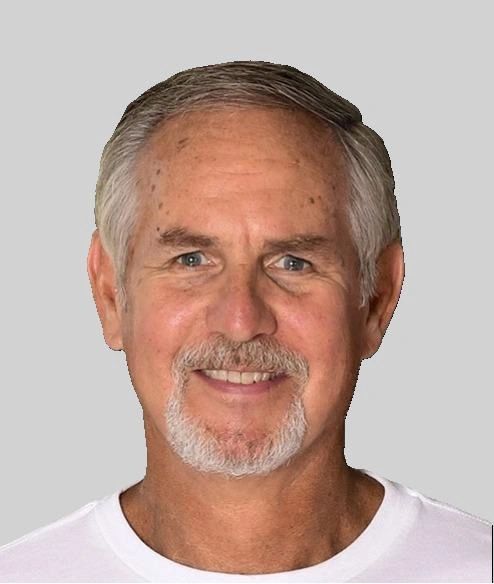
Brian R. Berridge, DVM, PhD, DACVP
Chief Translational and Regulatory Officer and Founding Board Director (US)
US-based veterinary pathologist and former federal science leader, spanning toxicologic pathology, cardiovascular safety, translational toxicology, modernization of preclinical drug safety assessment, regulator-grade evidence frameworks, federation across standards bodies and consortia, and the integration of animal-based, non-animal, and in-silico modalities.